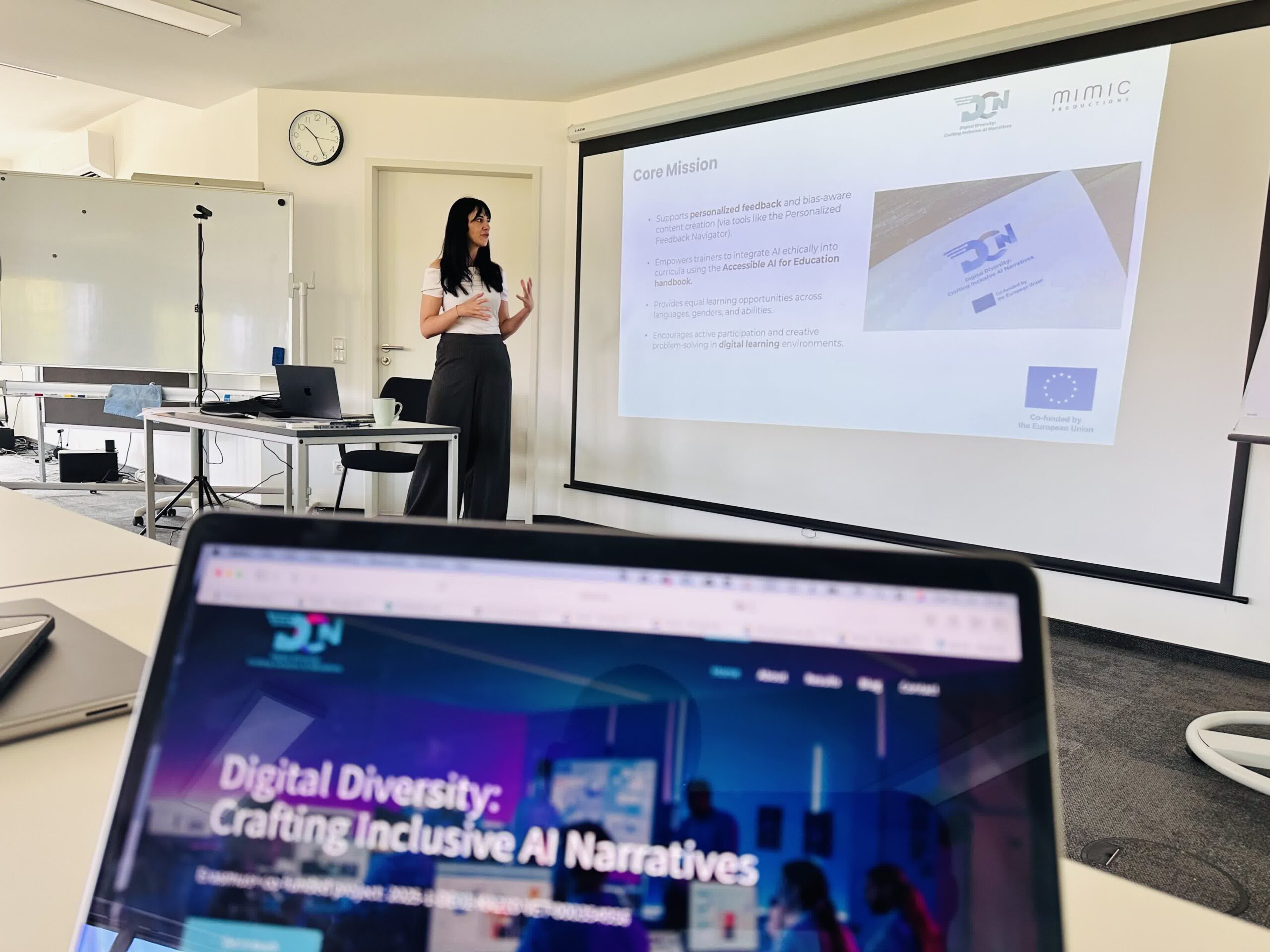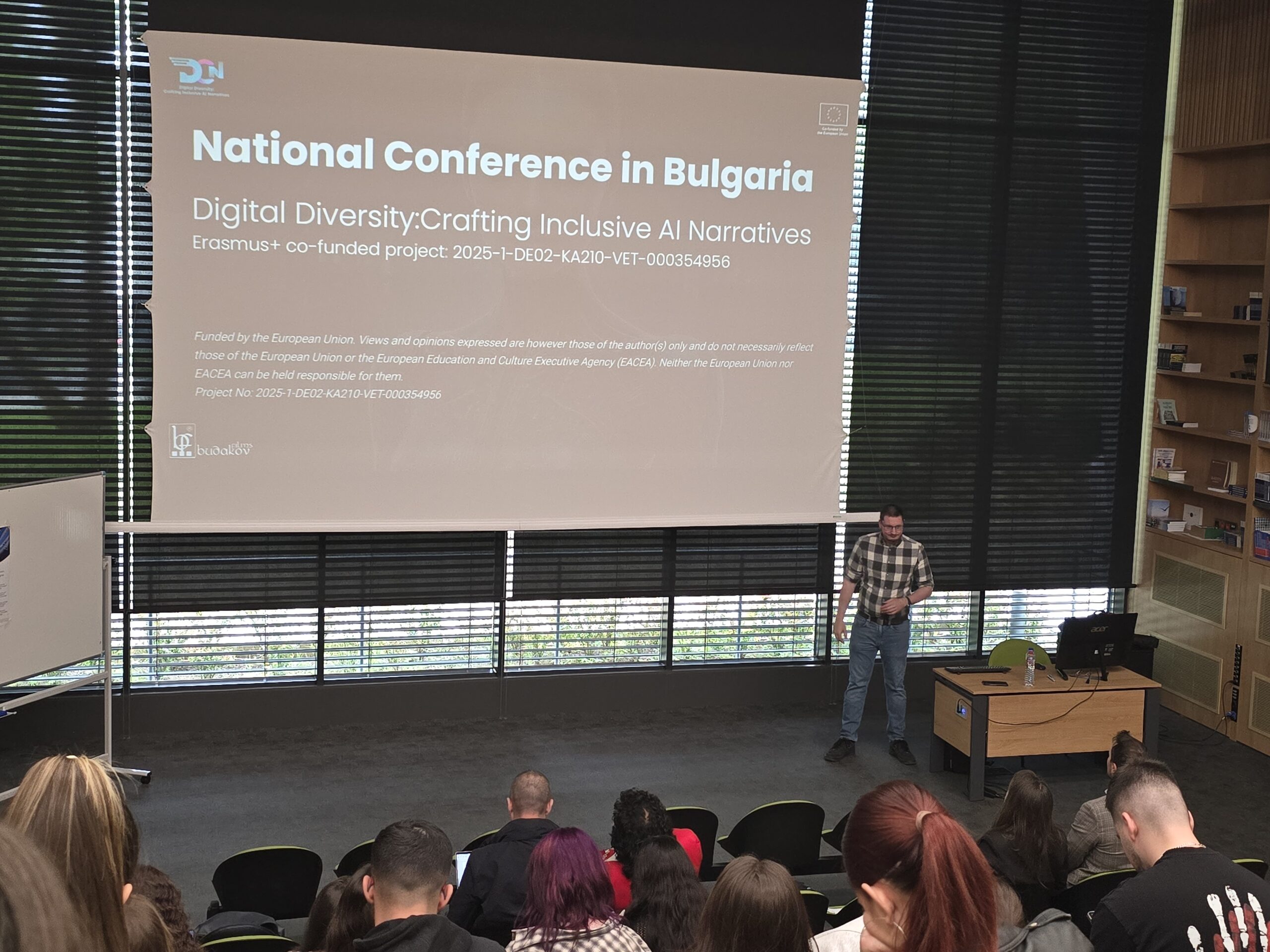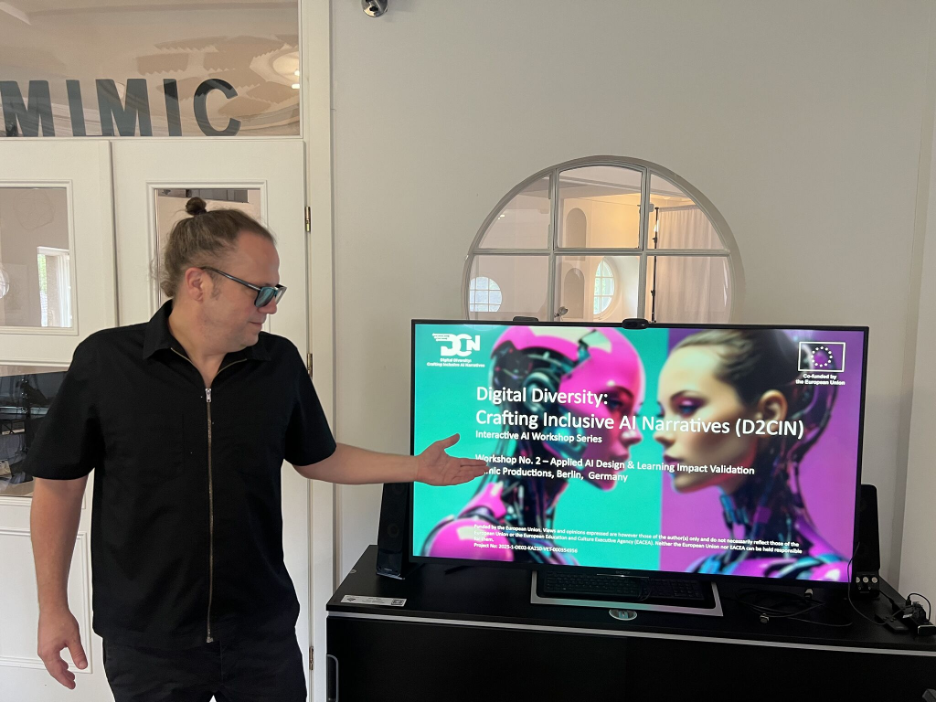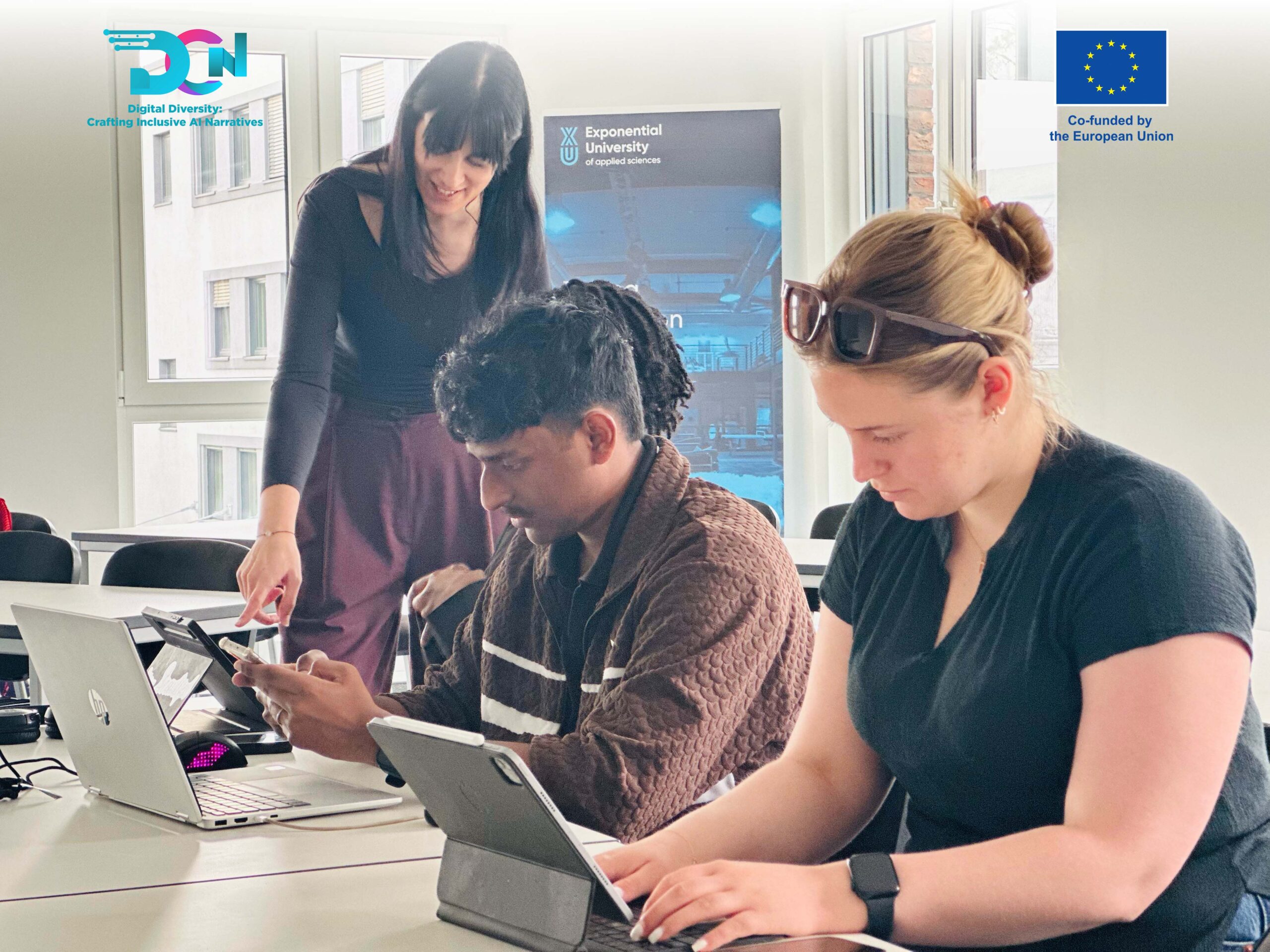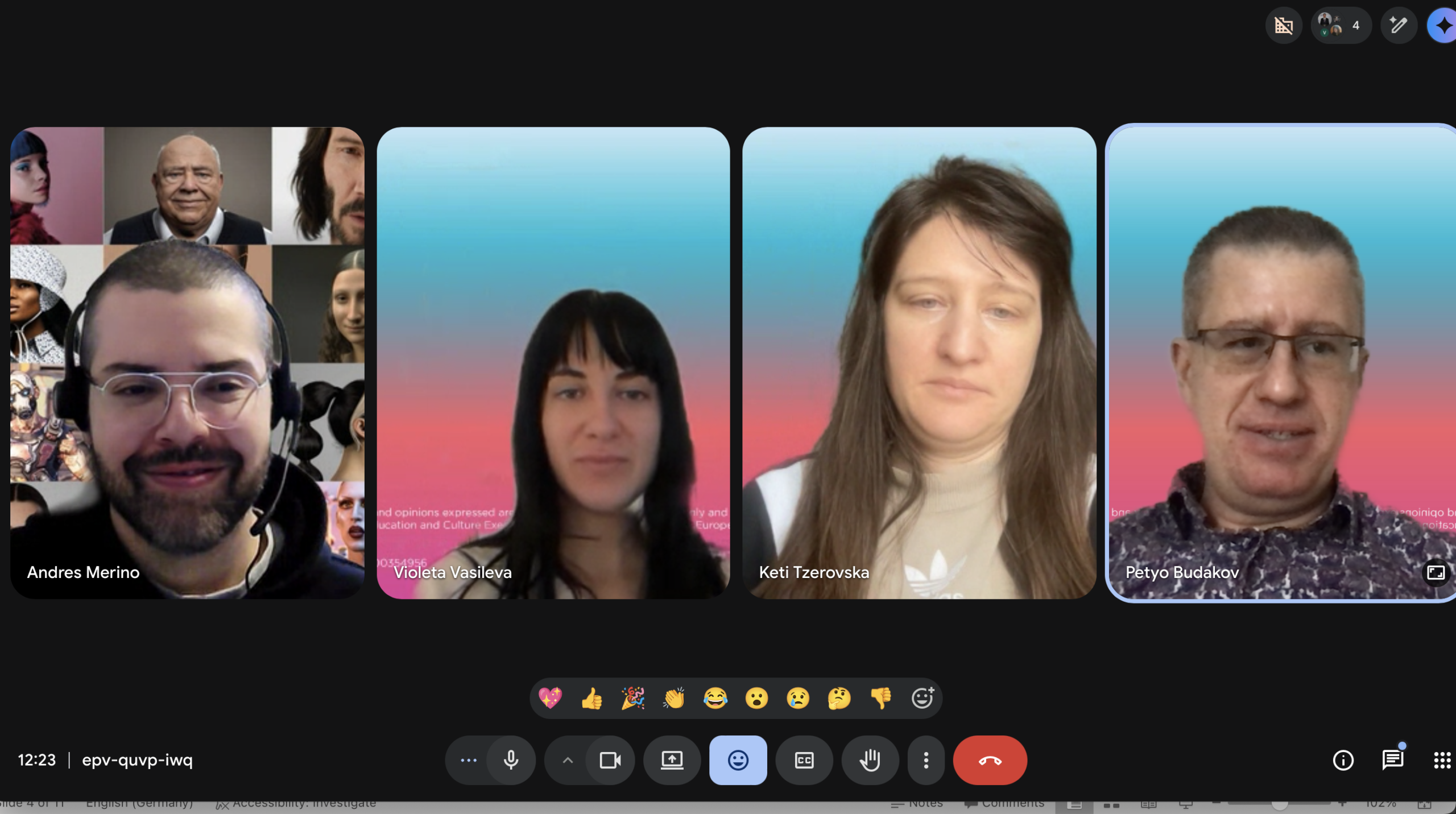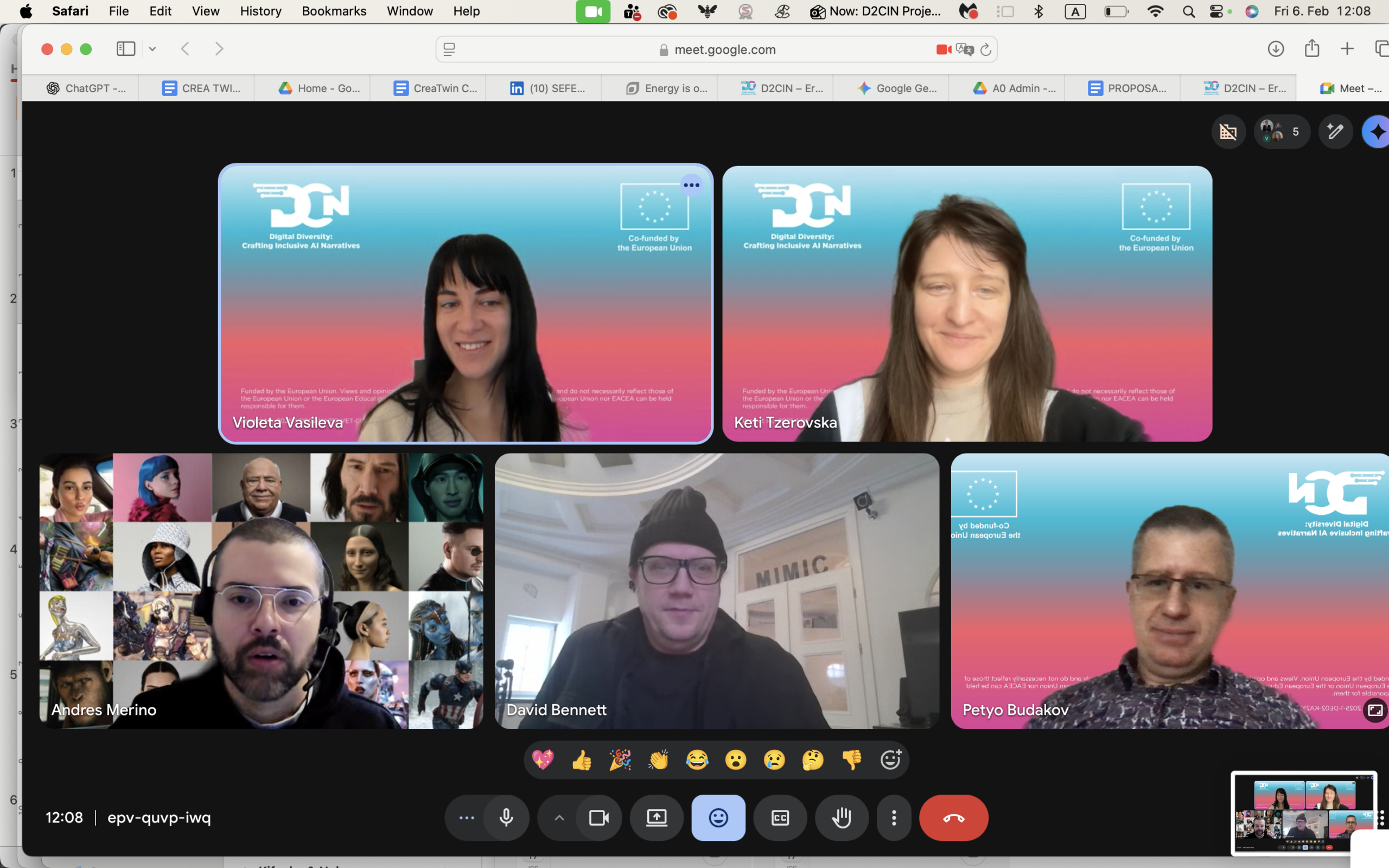

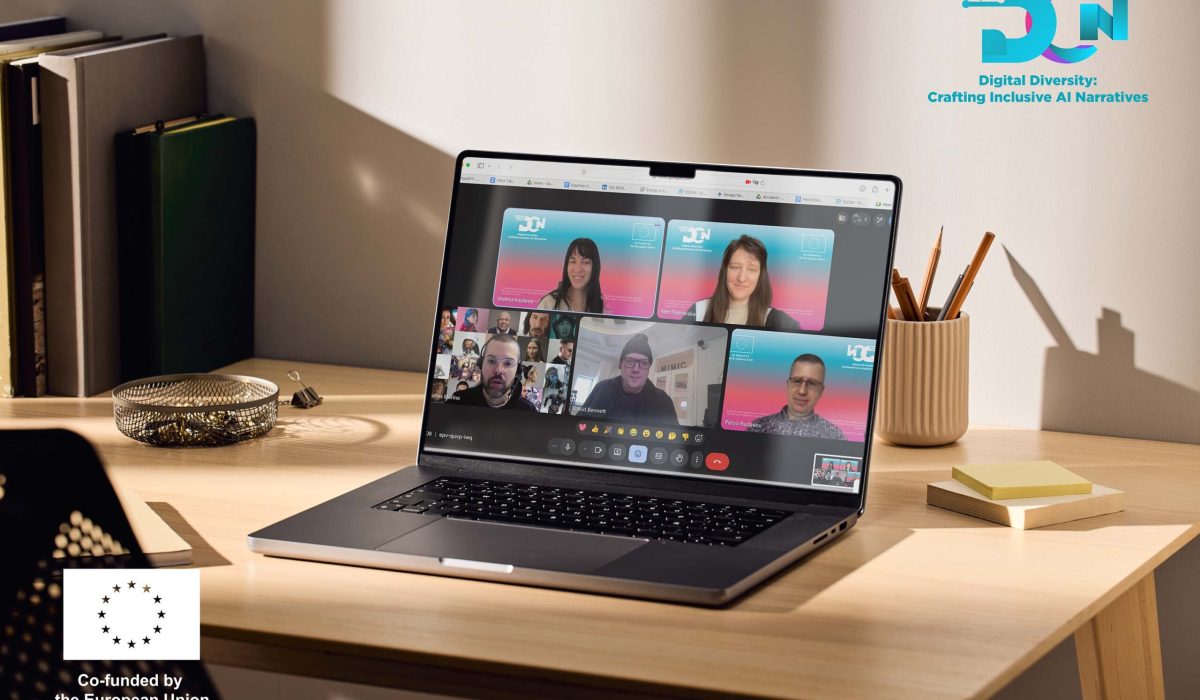
Mimic Productions and Budakov Films Ltd have concluded the second Transnational Project Meeting (TPM) of the Erasmus+ co-funded project D2CIN – Digital Diversity: Crafting Inclusive AI Narratives (Project Number: 2025-1-DE02-KA210-VET-000354956). The online meeting provided an efficient and well-structured working space for the partners to review progress, validate completed outputs, and agree on the next production steps with clear responsibilities and quality requirements.
Consolidating progress from Activity 1: The D2CIN Navigator
A key focus of the TPM was the review of milestones achieved during Activity 1, including qualitative and quantitative indicators. Partners confirmed the successful completion of this phase and the launch of the D2CIN Navigator, a core project output designed to support stakeholders in navigating inclusive approaches to AI narratives. With Activity 1 completed, the project now moves forward from planning and early development into structured content production.
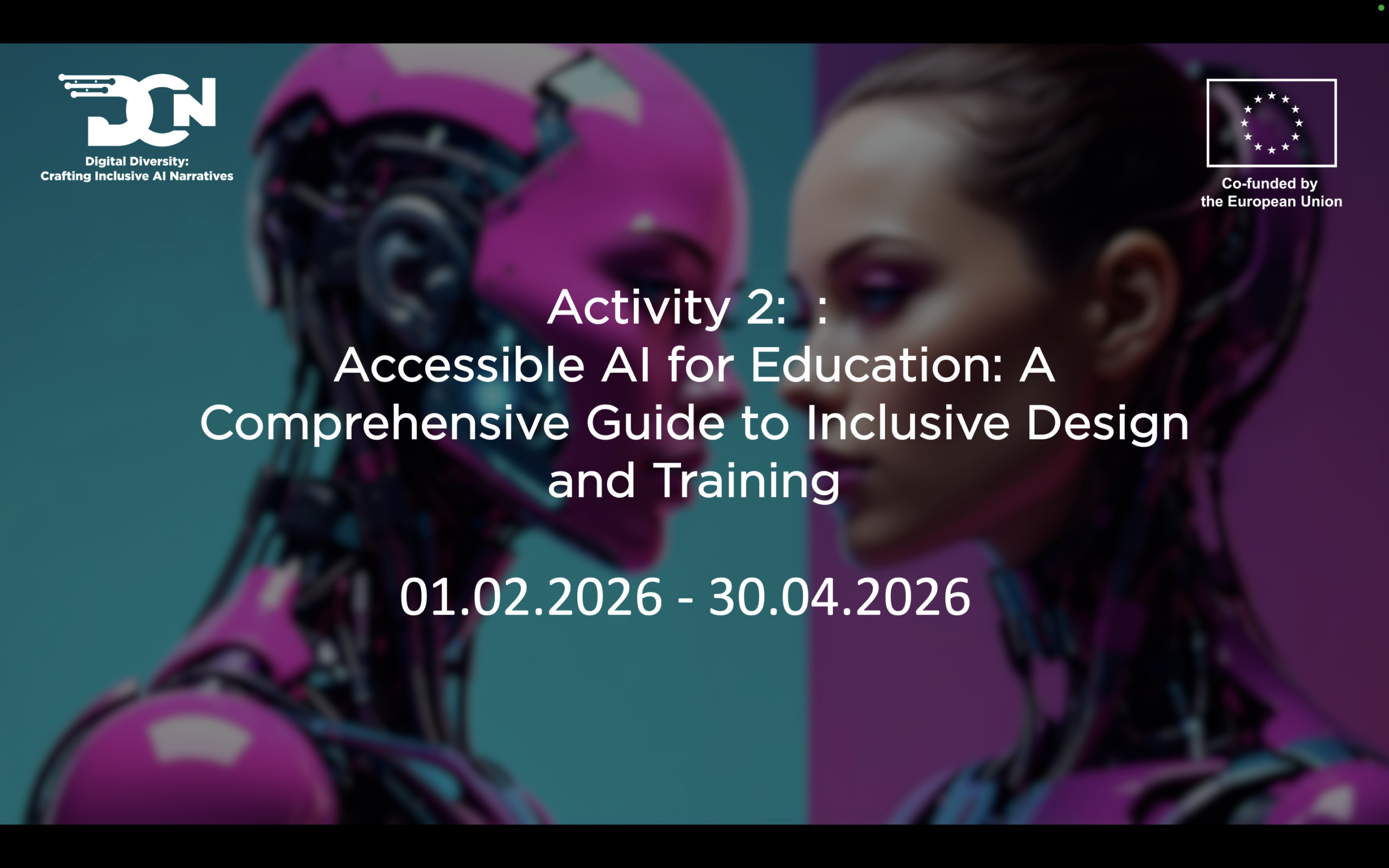
Launching Activity 2: Production planning for the handbook
The meeting then marked the official start of Activity 2, dedicated to the development of the handbook titled “Accessible AI for Education: A Comprehensive Guide to Inclusive Design and Training.” Partners aligned on the handbook’s purpose, audiences, and production workflow to ensure that the final resource is practical, inclusive, and ready for piloting in the next activity.
The consortium agreed on several concrete elements that will guide the work ahead:
1. Confirmed structure and content scope
Partners validated the handbook’s five-topic structure, ensuring coverage of the areas most relevant to inclusive AI training in education and VET contexts:
Bias recognition and mitigation
Inclusive UX design
Accessibility standards in AI
AI ethics and compliance
Digital storytelling for inclusive education
2. Roles and responsibilities for drafting and peer review
A clear distribution of responsibilities was agreed, defining who will draft specific sections and how peer review will be organized. This approach ensures consistency, shared ownership, and high editorial quality across all chapters.
3. Co-creation and iterative development workflow
The partners confirmed a structured workflow based on co-creation and refinement: focus group inputs will inform early drafts, followed by peer review, revisions, and final quality assurance. This iterative cycle is designed to keep the handbook closely aligned with real needs and professional practice.
4. Accessibility requirements and inclusive formats
The consortium reinforced an accessibility-by-design approach for all Activity 2 outputs. The handbook will be produced in inclusive formats, such as an accessible PDF and e-book, with attention to readable structure, clear language, and usability for diverse audiences.
5. Translation and readiness for Activity 3
To ensure broader reach and cultural accessibility, partners confirmed the translation of the handbook into German and Bulgarian, supported by dedicated quality checks. The meeting also established “pilot-ready” criteria so the handbook can be used effectively during Activity 3 piloting.
6. KPI alignment and quality assurance framework
Finally, partners aligned on how Activity 2 outputs will demonstrate compliance with project KPIs and Erasmus+ requirements. A shared quality assurance system will be applied, including review gates, checklists, and a change log to document improvements and decisions transparently.
Next steps
With agreements in place and production planning completed, the project is now moving into the active development phase of Activity 2. The next period will focus on drafting and refining the handbook content, integrating focus group insights, applying accessibility standards, and preparing multilingual versions for piloting.
Follow the D2CIN project blog for updates as the handbook development progresses and as preparations continue for Activity 3 piloting and the project’s public dissemination actions.
Funded by the European Union. Views and opinions expressed are however those of the author(s) only and do not necessarily reflect those of the European Union or the European Education and Culture Executive Agency (EACEA). Neither the European Union nor EACEA can be held responsible for them.
Project No: 2025-1-DE02-KA210-VET-000354956