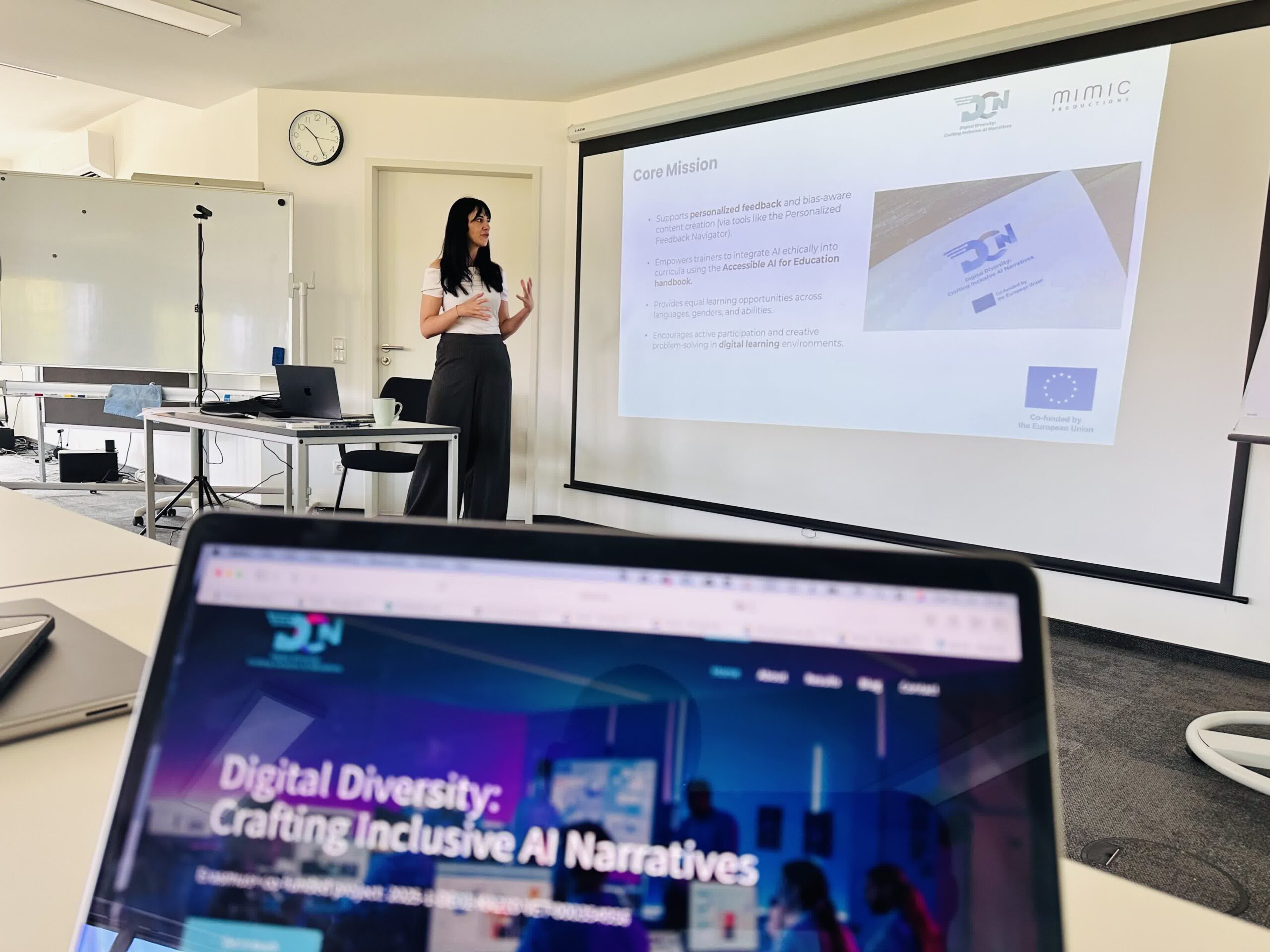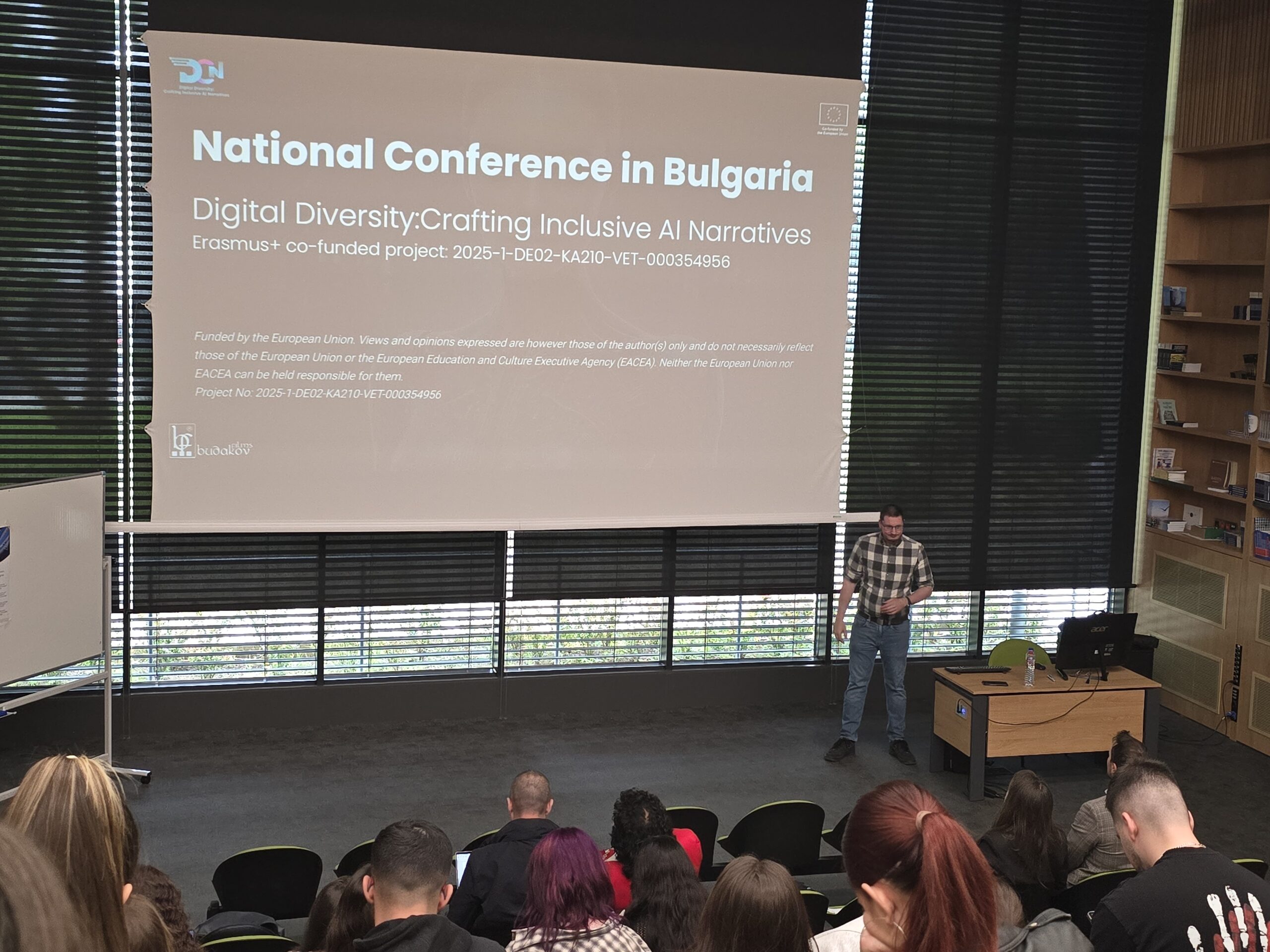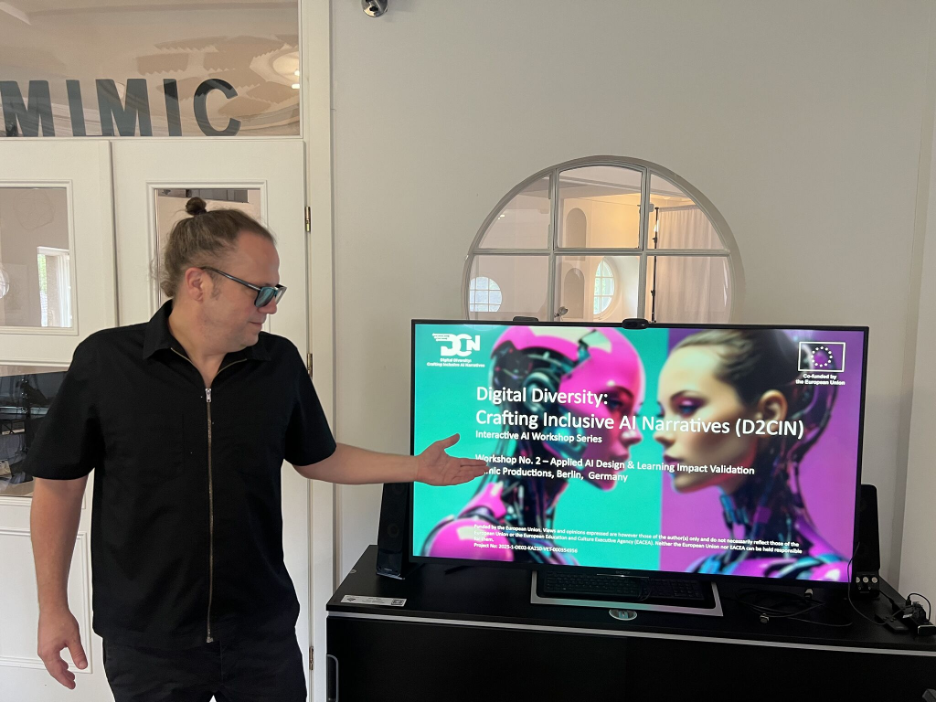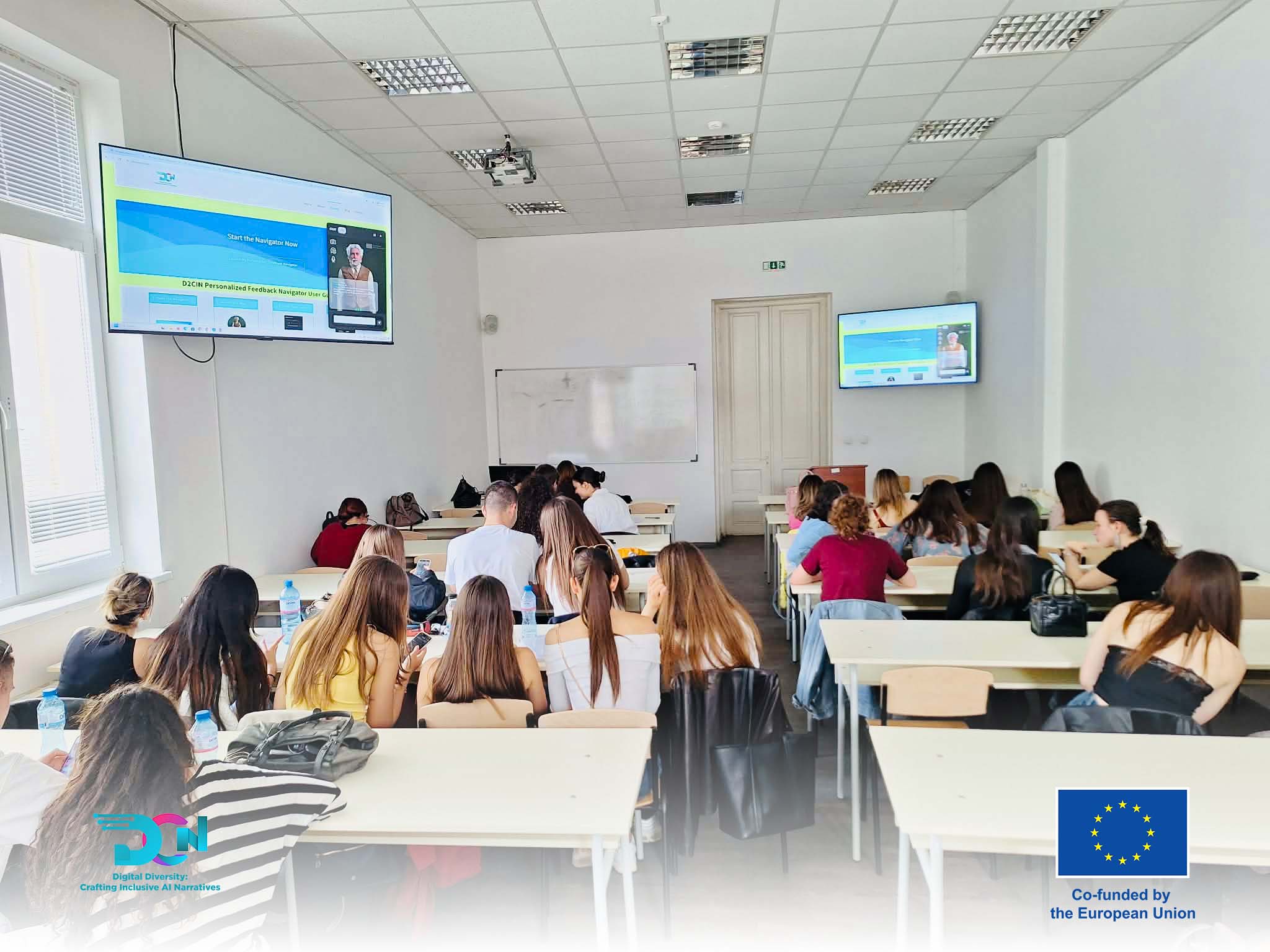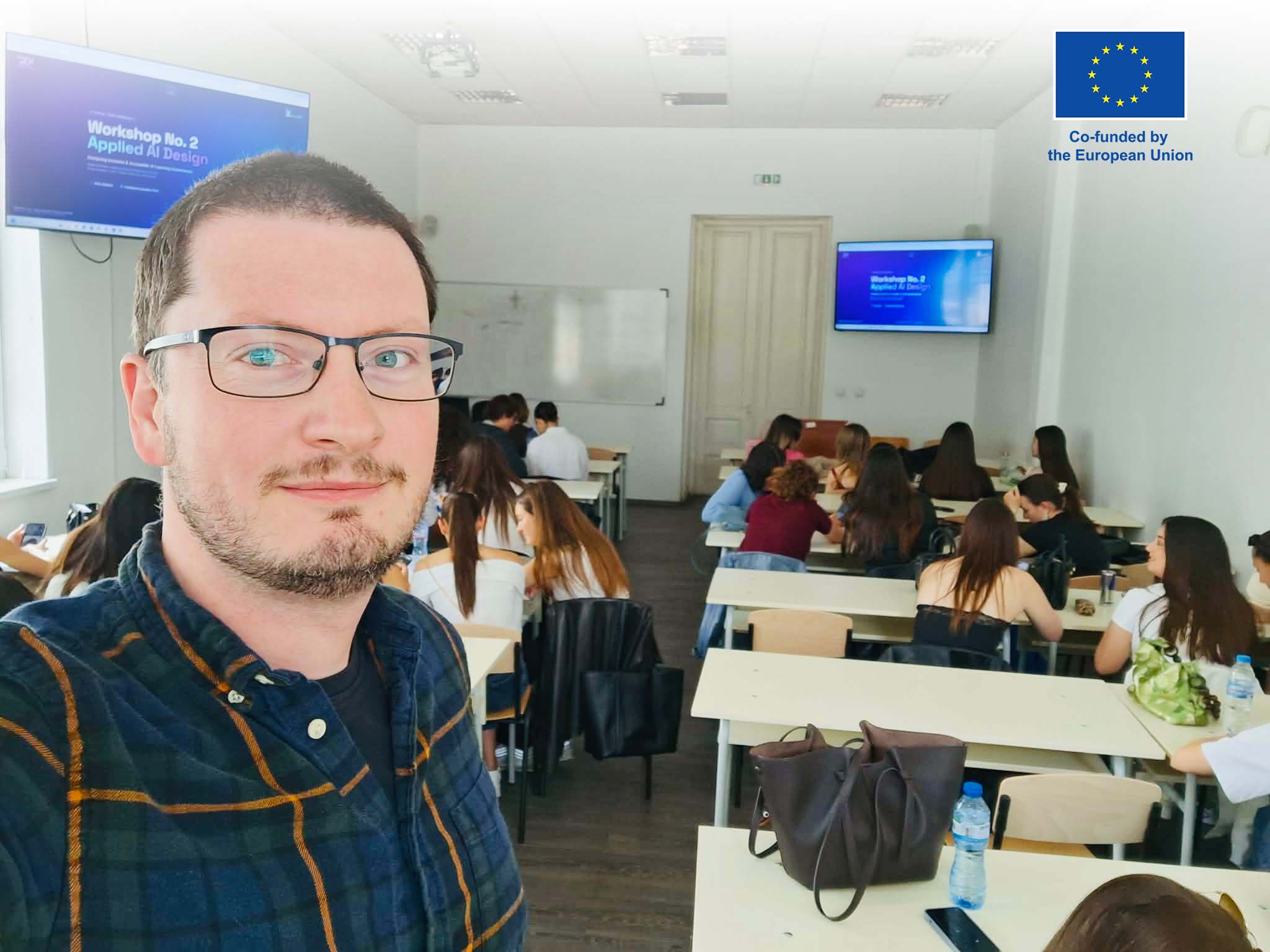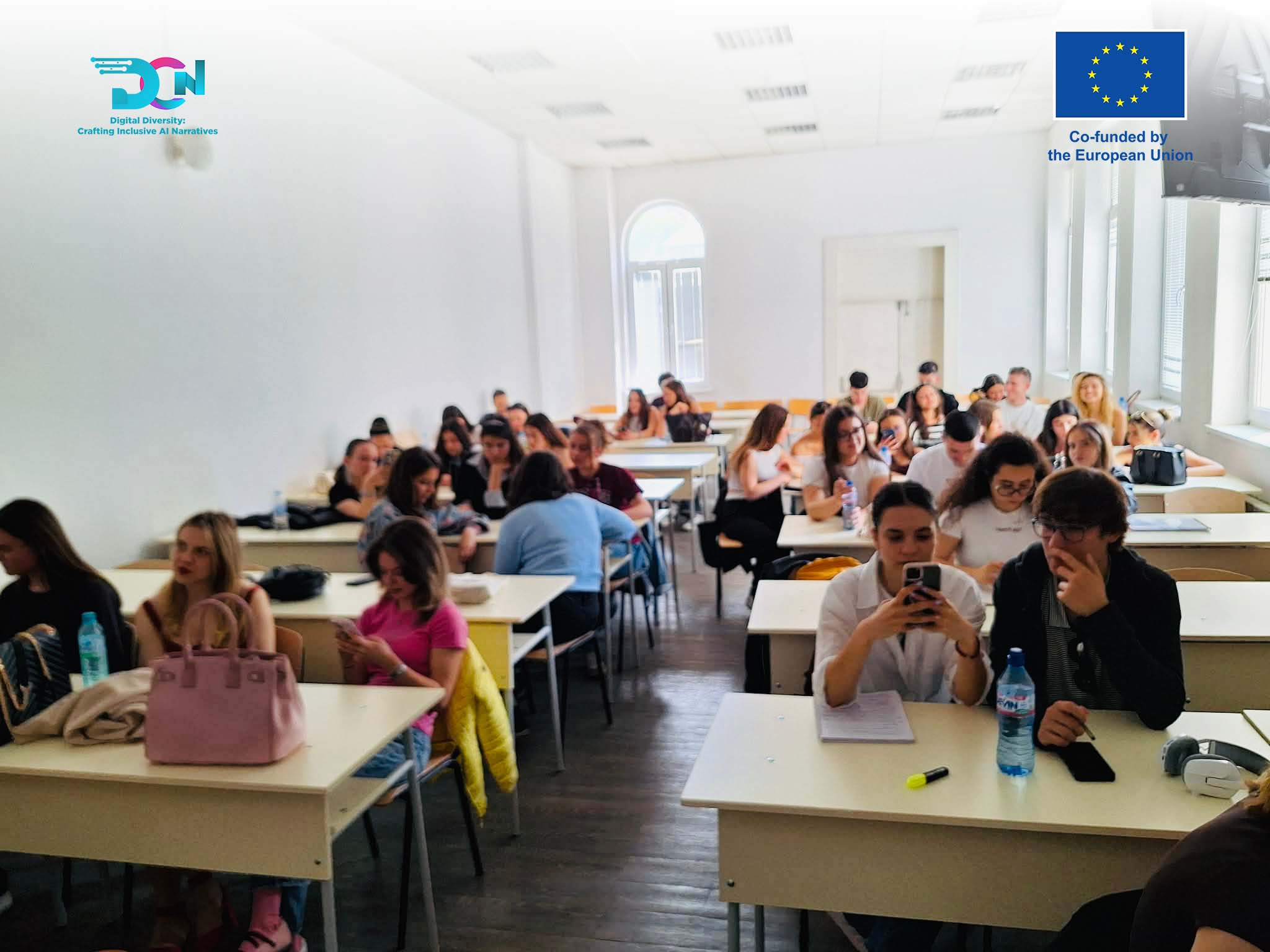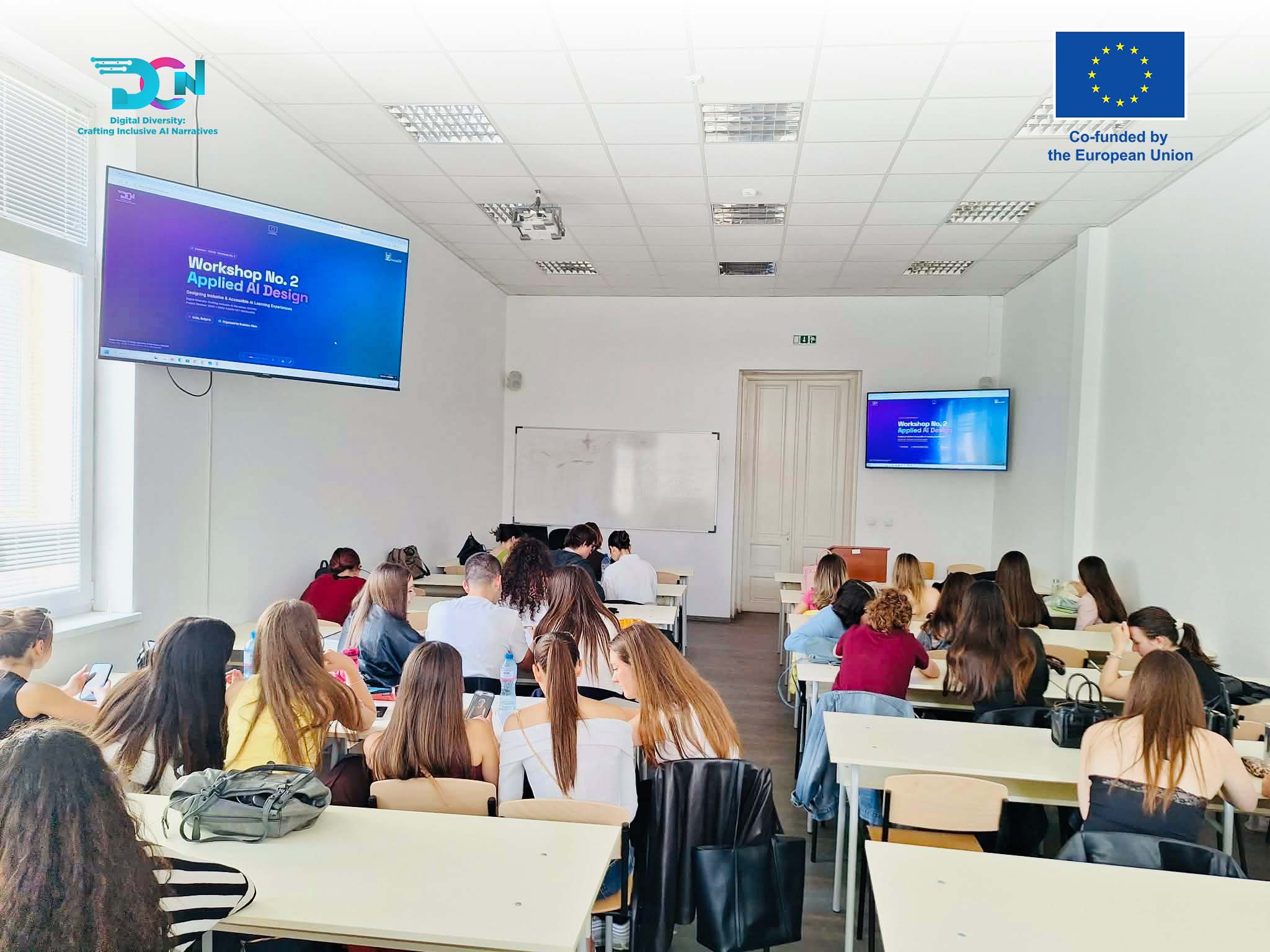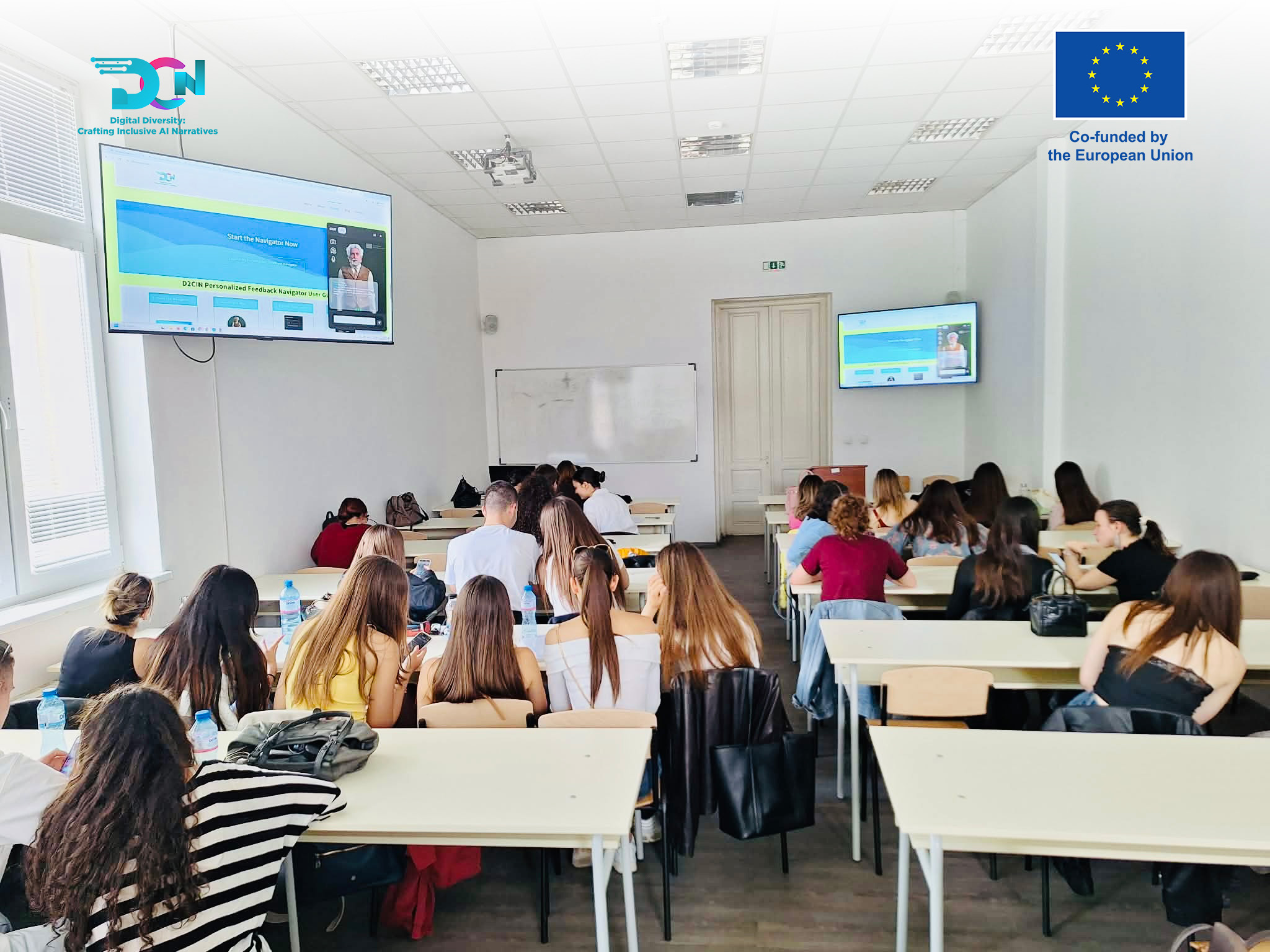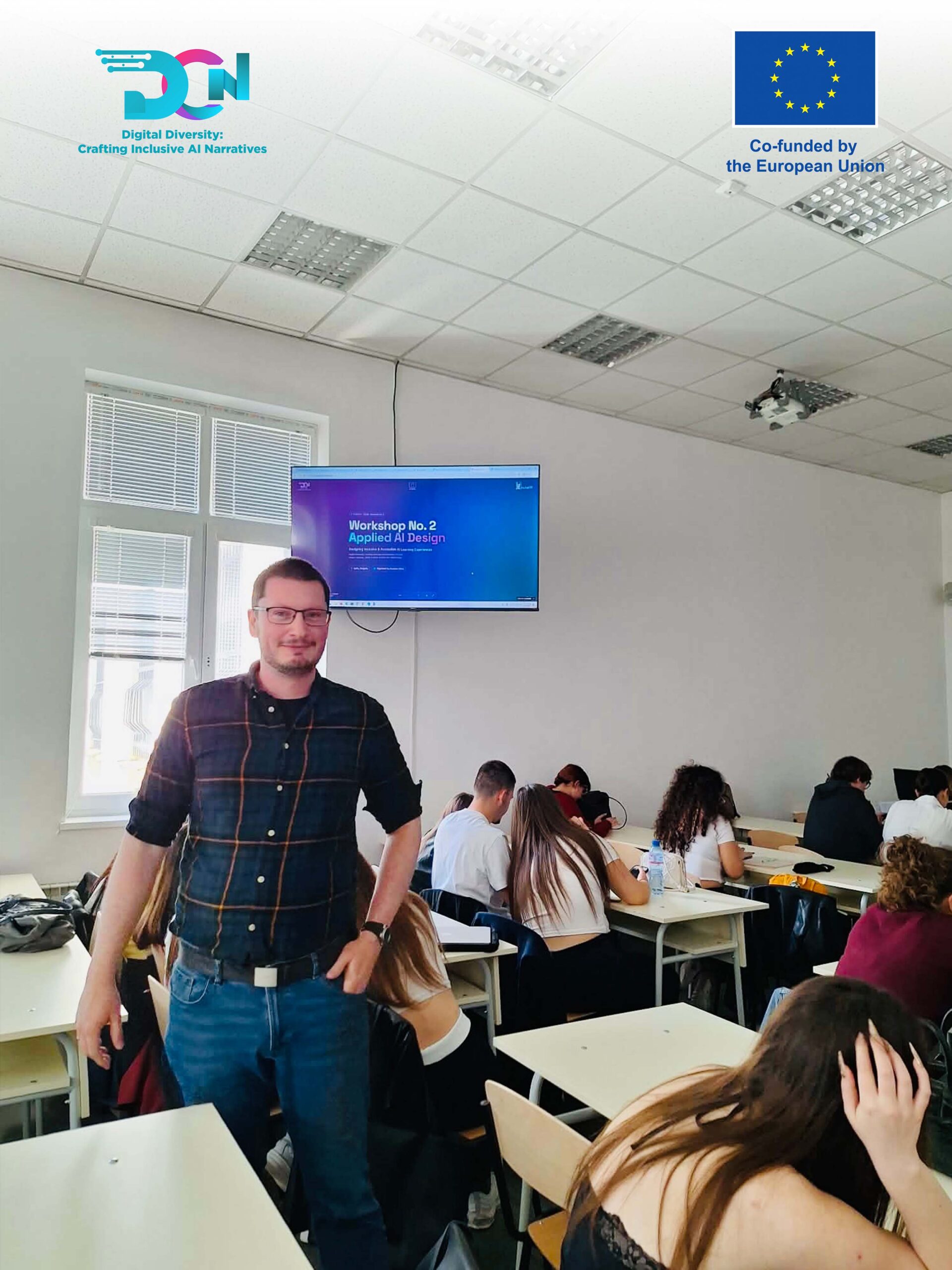

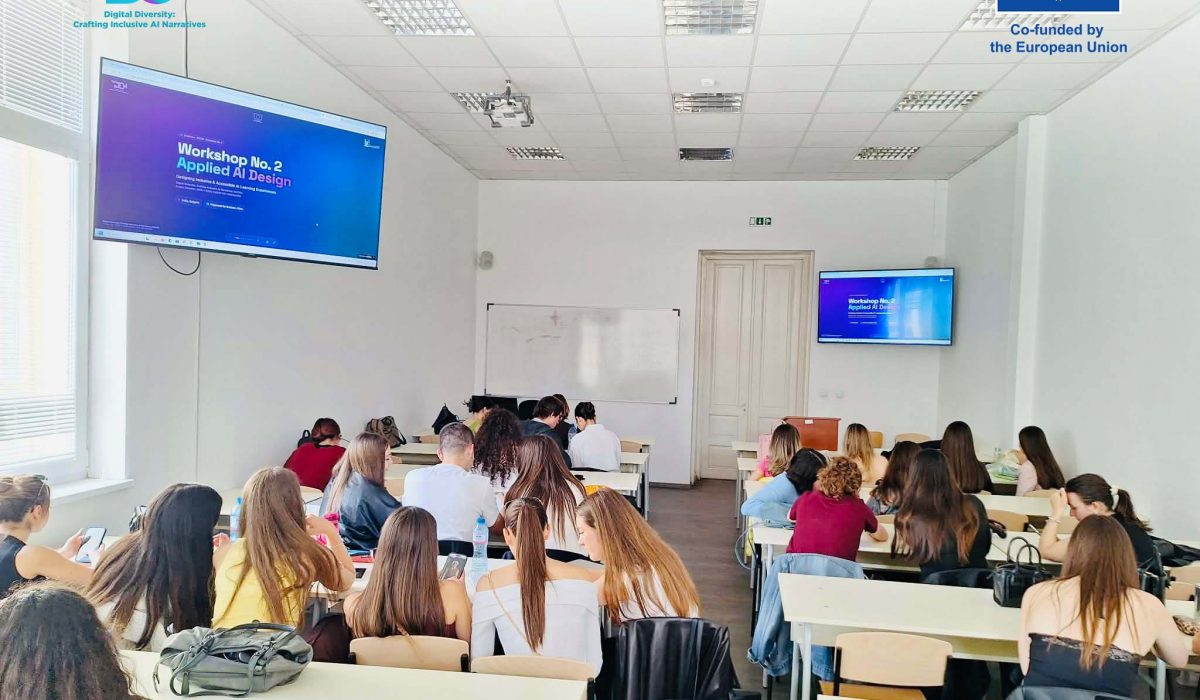
The Erasmus+ co-funded project Digital Diversity: Crafting Inclusive AI Narratives (D2CIN) (Project No. 2025-1-DE02-KA210-VET-000354956) reached another important milestone with the successful implementation of Workshop No. 2 – Applied AI Design in Sofia, Bulgaria. Organised by Budakov Films under Activity 3: Inclusive AI Impact Pilot & Collaborative Outreach Summit, the workshop took place at Sofia University and brought together 18 participants from the fields of vocational education and training (VET), higher education, digital innovation, creative industries, and Artificial Intelligence. Building upon the foundations established during Workshop No. 1, the second workshop focused on the practical application of inclusive AI principles and the development of accessible AI-supported educational solutions.
From Validation to Practical Application
While the first workshop concentrated on validating the Inclusive AI Handbook and the Personalized Feedback Navigator, Workshop No. 2 challenged participants to actively apply these resources in realistic educational scenarios.
Moderated by Chief Assistant Professor Yordan Karapenchev, Ph.D., the workshop introduced participants to advanced concepts related to inclusive AI, learner-centred design, accessibility-by-design, and ethical AI implementation. Participants explored how Artificial Intelligence can be developed and utilised to support diverse learners while reducing barriers to participation and promoting equitable access to education.
The workshop attracted 18 participants, exceeding the consortium’s original target and demonstrating the growing interest in inclusive AI methodologies among educational professionals and digital innovators.
Designing Accessible AI Solutions
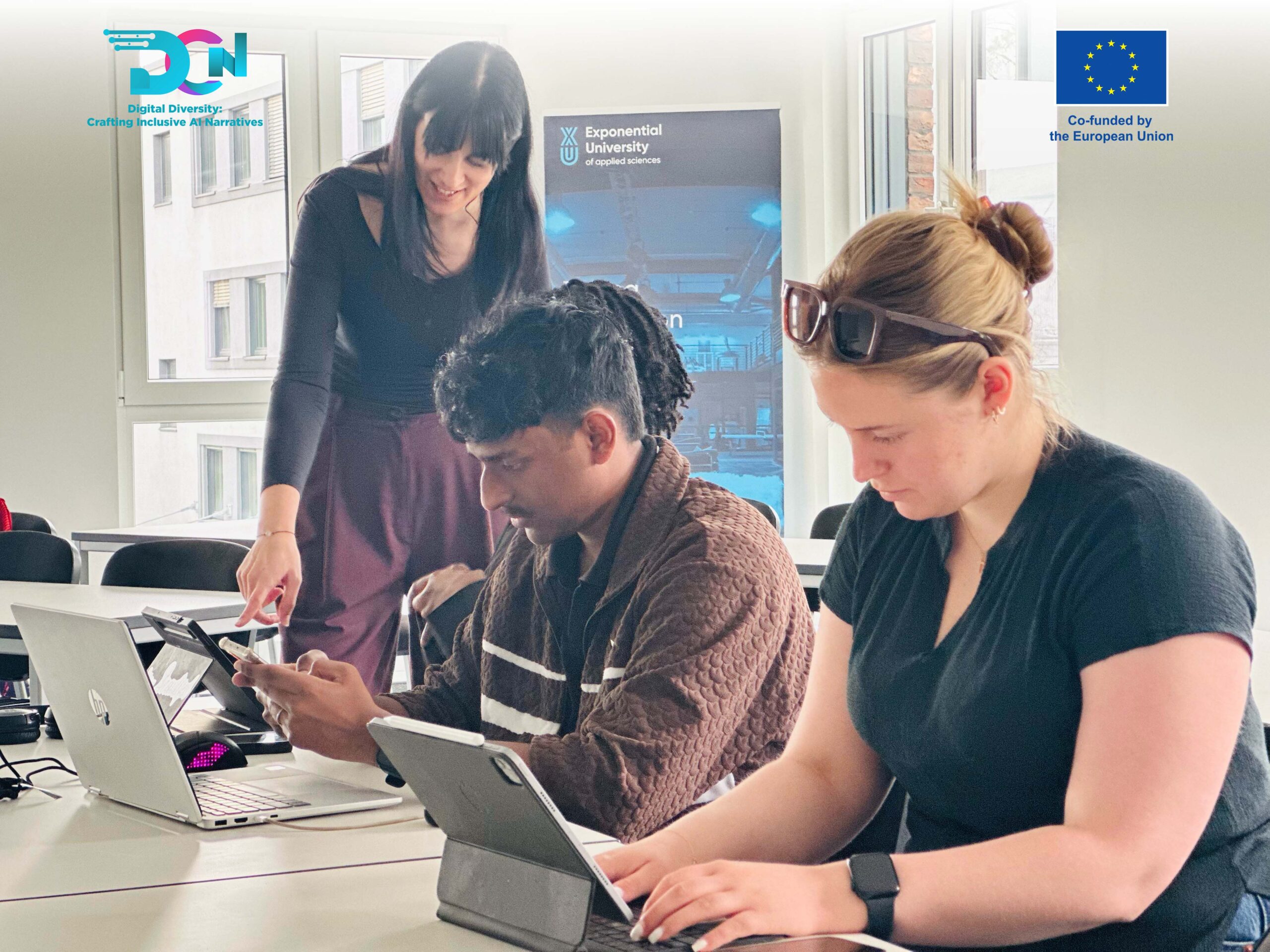
A central component of the workshop was a collaborative design challenge that encouraged participants to develop their own AI-supported educational concepts. Working in interdisciplinary teams, participants analysed authentic educational scenarios and designed conversational AI solutions that addressed learner needs, accessibility requirements, and inclusive communication practices.
Using the Inclusive AI Handbook as a practical framework, participants incorporated accessibility principles and learner-centred approaches into their concepts. The activity enabled attendees to move beyond theoretical understanding and demonstrate the practical transferability of the methodologies developed within the D2CIN project.
The proposed solutions reflected a strong commitment to accessibility, inclusion, and ethical AI design, highlighting participants’ ability to apply project resources in realistic educational contexts.
Applying the Personalized Feedback Navigator
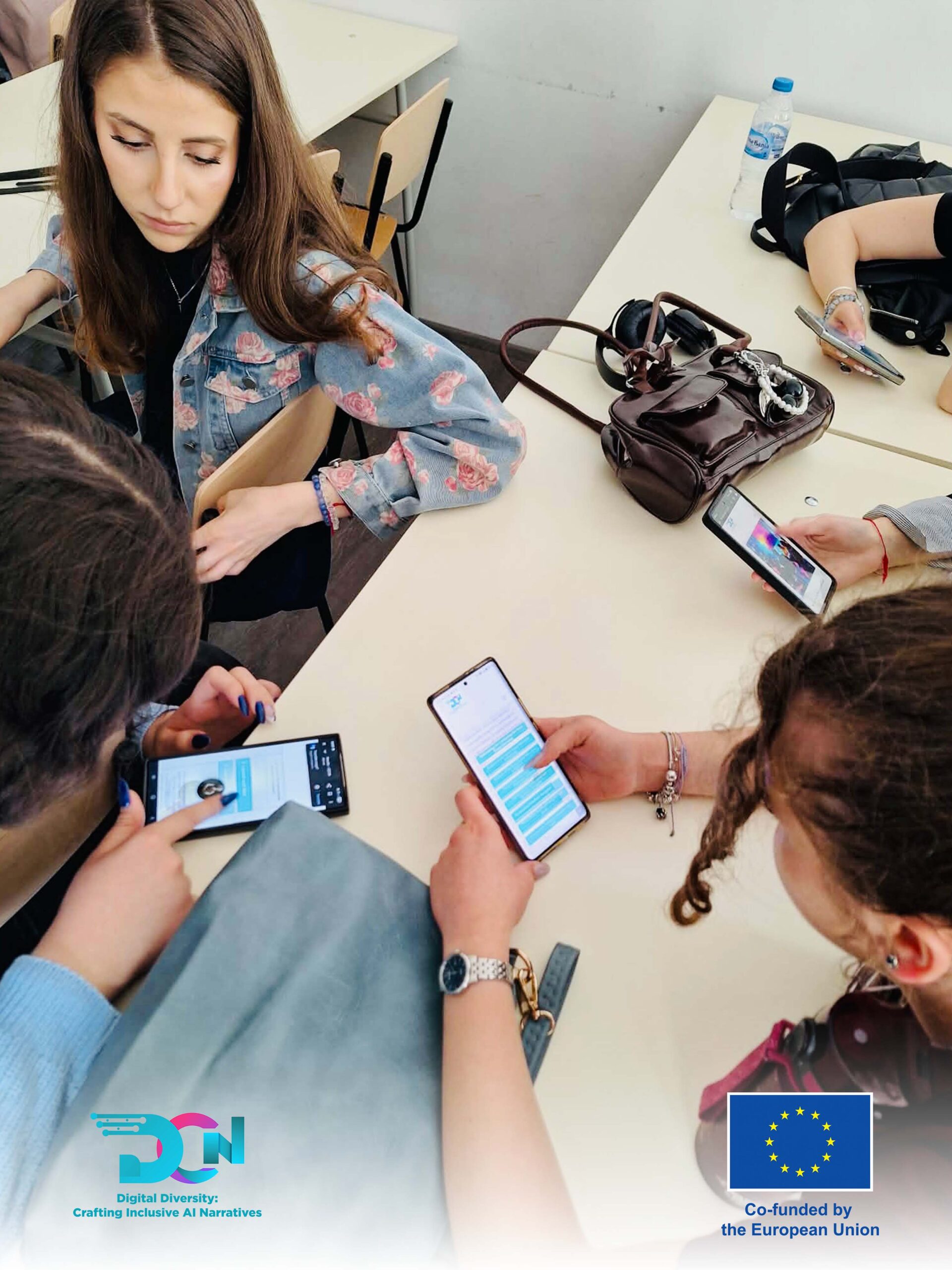
Participants also utilised the Personalized Feedback Navigator to assess and improve their proposed solutions. The tool supported structured reflection and enabled participants to identify strengths, gaps, and opportunities for refinement within their AI concepts.
The Navigator proved particularly valuable as a practical support mechanism, helping participants evaluate the inclusiveness and educational relevance of their designs while encouraging continuous improvement and reflective learning.
The workshop demonstrated how AI-supported feedback systems can strengthen educational design processes and support the development of more accessible learning environments.
Strong Engagement and Learning Impact
The workshop generated exceptionally positive levels of engagement and participation. Approximately 95% of attendees actively contributed to discussions, collaborative activities, and reflection sessions, while all participant groups successfully completed the design challenge and presented their AI-supported solutions.
Accessibility remained one of the most prominent themes throughout the workshop. Around 88% of participants actively integrated accessibility and inclusion principles into their concepts, demonstrating a strong understanding of the project’s core objectives.
Participants also engaged in meaningful discussions regarding learner diversity, adaptive learning pathways, ethical AI implementation, and the role of technology in supporting inclusive educational environments.
Compared to Workshop No. 1, participants demonstrated greater confidence in applying inclusive AI methodologies and a stronger ability to translate theoretical concepts into practical educational solutions.
Excellent Evaluation Results
The workshop evaluation produced highly positive results. All six evaluated indicators achieved an overall average score of 4.93 out of 5, reflecting very high participant satisfaction and perceived learning impact.
Notably, all survey responses were recorded within the “Agree” or “Strongly Agree” categories. Participants confirmed that the workshop successfully improved their understanding of inclusive AI principles, strengthened their confidence in designing AI-supported educational solutions, and demonstrated the practical value of the project resources.
The qualitative feedback further highlighted participants’ appreciation for the collaborative design activities, the practical orientation of the workshop, and the opportunity to apply accessibility principles in realistic educational contexts.
Contributing to the Objectives of D2CIN
The Bulgarian implementation of Workshop No. 2 successfully fulfilled the objectives outlined in the D2CIN project proposal. The workshop moved beyond validation and focused on practical application, competence development, and learning impact assessment.
The results confirmed that participants were able to:
- Apply inclusive AI principles in practice;
- Design accessible AI-supported educational solutions;
- Use the Personalized Feedback Navigator for structured reflection and improvement;
- Integrate accessibility considerations into AI design processes;
- Strengthen their digital and pedagogical competences related to inclusive AI.
These outcomes contribute directly to the project’s mission of supporting more inclusive, accessible, and responsible uses of Artificial Intelligence within vocational education and training across Europe.
As the project progresses, the findings from both national workshops will continue to inform the refinement of the D2CIN resources and support the broader dissemination of inclusive AI practices among educators, trainers, and digital innovation stakeholders.
Funded by the European Union. Views and opinions expressed are however those of the author(s) only and do not necessarily reflect those of the European Union or the European Education and Culture Executive Agency (EACEA). Neither the European Union nor EACEA can be held responsible for them.
Project No: 2025-1-DE02-KA210-VET-000354956